Ever feel ready to make a change, only to find the idea of self-improvement overwhelming? Redesigning your daily routine does not require an exhausting overhaul or a complete transformation by tomorrow morning. Growth works best as a low-pressure experiment where small, deliberate choices accumulate naturally over time.
Taking on personal development should feel like a manageable project rather than a heavy burden. By stripping away the pressure to fix everything at once, you give yourself room to explore new habits with curiosity and patience. Focusing on a few strategic adjustments allows you to build real momentum without forcing yourself through an aggressive, unsustainable makeover.
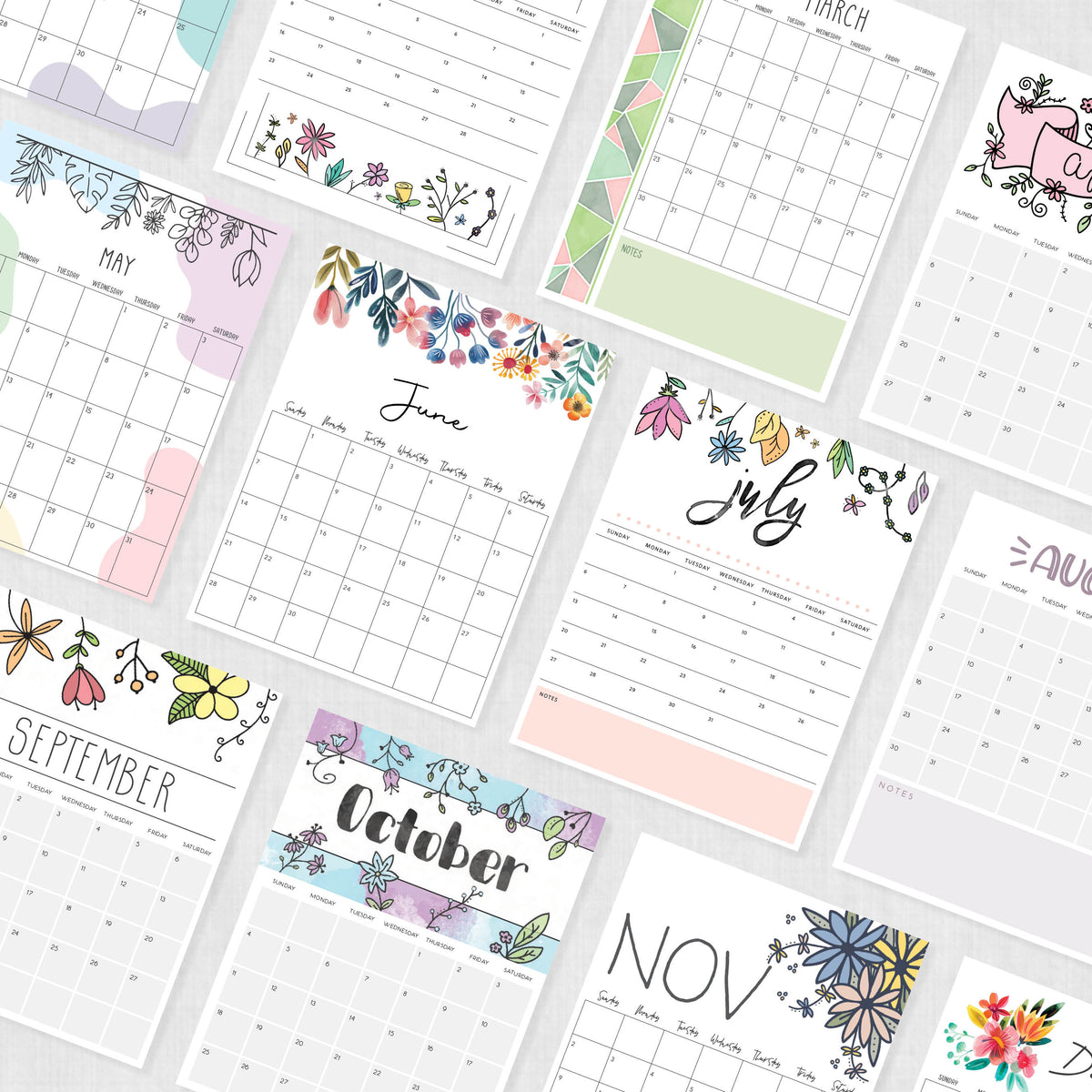
Pssst... Here are a few other planners I thought you might like!
Focus on a handful of meaningful targets
Trying to fix your diet, overhaul your finances, launch a project, and learn a new language all at once leads to burnout. Limit your focus to two or three realistic goals at a time. Narrowing your scope gives you the breathing room to build real consistency, whether you want to clean up your weekly spending, cook more meals at home, or master a new work skill, which are all great personal development goals.
Work with your natural learning style.
Information sticks much faster when you align your goals with how your brain naturally processes new ideas. If you learn best visually, rely on video walk-throughs and visual diagrams. If you retain information by listening, queue up audiobooks or podcasts during your daily commute. If you are a hands-on learner, jump straight into practice, experiment through trial and error, or try explaining the concept to someone else to solidify your understanding.
Build small micro-habits into your day.
Large transformations happen through modest, repeatable actions. Spend five minutes each morning outlining your top priorities for the day in a planner, and block out a dedicated thirty-minute window later on for focused practice. Simple environmental adjustments, like placing your phone face-down while working, getting consistent sleep, and keeping a notebook on your nightstand to jot down evening thoughts, keep you grounded and moving forward.
Reframe your internal narrative.
Confidence builds after you take action and see results. Shift away from self-critical statements that stall your progress. Replacing "I am terrible at this" with "I am going to get better at this with practice" changes your approach completely. When you hit a wall or feel your motivation slipping, take the smallest possible step to get moving, because starting remains the hardest part.
Design your environment to lower friction.
Your physical space heavily influences your daily choices and energy levels. Make positive actions easier by prepping your surroundings the night before, such as setting out your workout clothes or tidying up your desk surface. At the same time, reduce distractions by setting boundaries around screen time and social media scrolling, and make a conscious effort to surround yourself with people who encourage your growth.
Establish a low-key weekly check-in.
Dedicate fifteen minutes at the end of every week to step back and review your progress without judgment. Look at what strategies yielded results, identify where you got stuck, and notice if you have been avoiding certain tasks. Small, deliberate adjustments made on a weekly basis compound over time, turning minor efforts into significant personal growth over the course of a few months.

"To improve is to change; to be perfect is to change often." — Winston Churchill
Personal growth is a continuous process rather than a race with a strict finish line. Once you master one skill or reach a milestone, new interests and opportunities naturally take its place.
Taking time to adapt your routines ensures that your development fits into your lifestyle seamlessly, allowing you to grow without unnecessary pressure.
You will likely drop a goal or change directions along the way, which is a normal part of figuring out what works for you. Flexibility allows you to adjust your approach without treating a shift in plans as a setback. Long-term success comes down to making deliberate choices, staying consistent with the basics, and taking time to reflect on your progress — you got this!