Most people view procrastination as a flaw in their schedule or a lack of discipline. We buy fancy planners, set strict deadlines, download focus apps, and build elaborate color-coded schedules, convinced that if we just find the perfect system, the procrastination will magically vanish.
Then Monday morning arrives. The task sits on the list. And instead of doing it, we clean the kitchen, check email for the fourth time, or suddenly find ourselves deep down a Wikipedia rabbit hole while the actual deadline ticks closer.
The cycle is exhausting, but it is also completely human. Delaying important work is usually an emotional response to feeling overwhelmed, uncertain, or pressured to deliver perfection.
Understanding the specific friction slowing you down is half the battle — once you become clear on the "why", you can stop fighting your own habits and start working with momentum again.
Here are six practical, actionable strategies to help you address the root causes of delay and learn how to stop procrastinating for good.
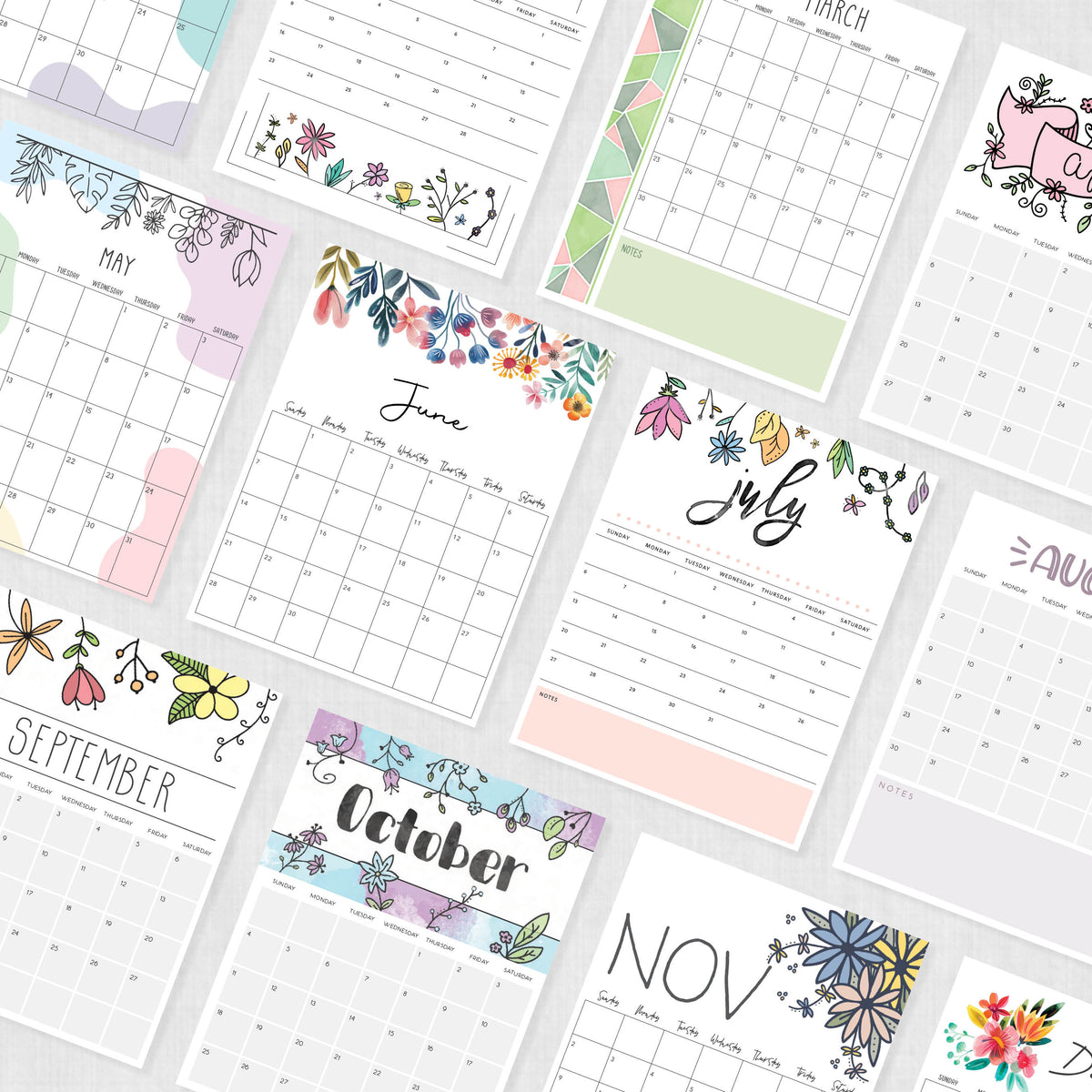
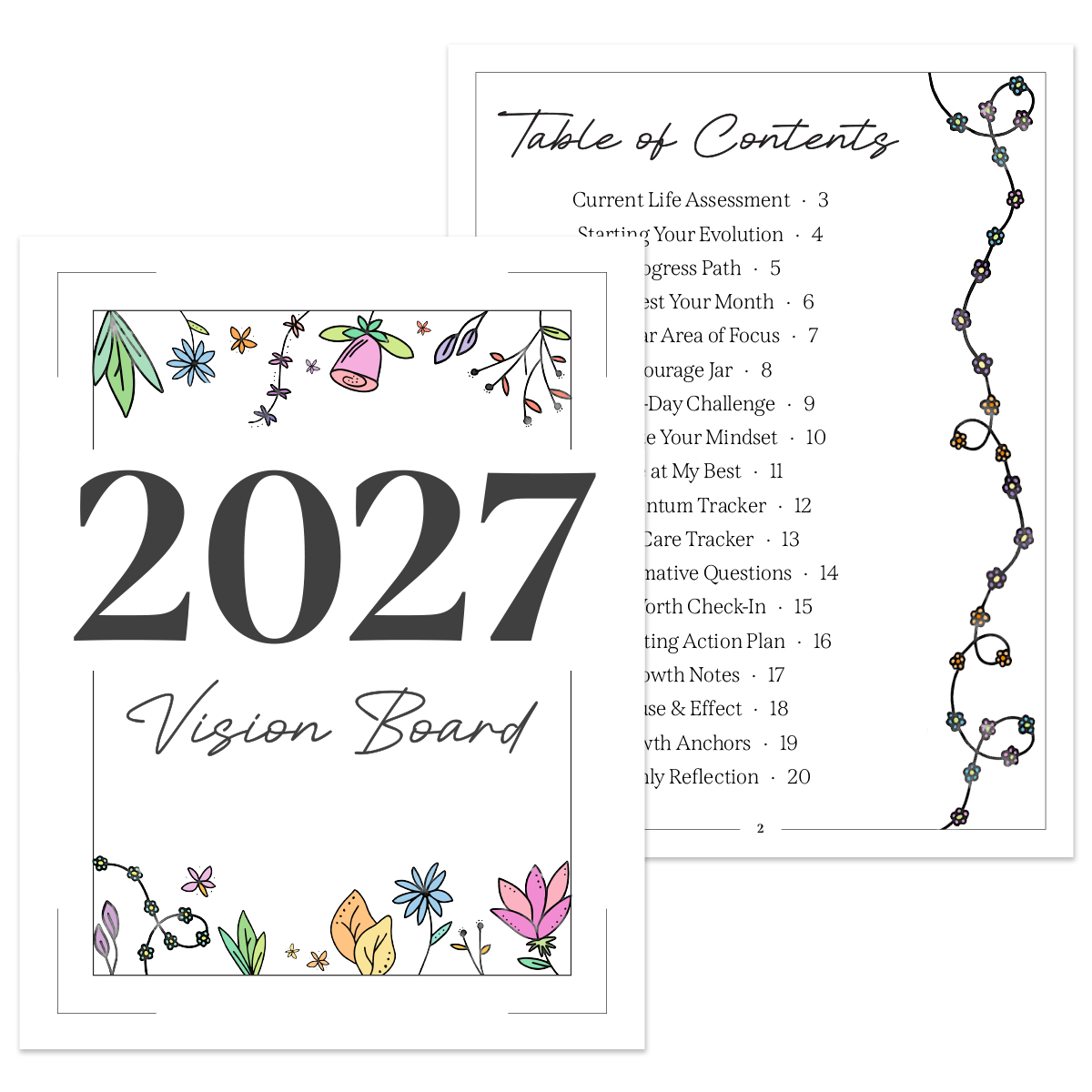
Pssst... Here are a few other planners I thought you might like!
1. Identify the Underlying Emotion
Before changing this nasty habit, you need to pinpoint what you are actually avoiding. Procrastination is almost never about laziness, but rather a response to an internal blocker: Perfectionism makes the standard feel so high that starting carries a risk of failure. Ambiguity leaves the project without a clear next step, so your brain defaults to tasks with obvious outcomes. Overwhelm makes the overall scope feel far too heavy for one sitting.
The next time you find yourself stalling, pause and name the specific feeling attached to the task. Once you identify whether you are dealing with fear, confusion, or overwhelm, you can apply a targeted solution rather than relying on sheer discipline.
2. Just Name the File
When a big work project feels intimidating — and let's be honestly, this is the type of thing we probably procrastinate on the most — the hardest part is going from standing still to moving forward. Starting with a completely blank screen creates immediate friction, which makes avoidance tempting.
An easy way to lower the bar to entry is to simply create the document, give it a title, and save it. Tell yourself you have zero obligation to actually write or do any real work once, besides just getting the file ready.
By taking care of the administrative setup without any pressure to actually do it, you remove the initial barrier of starting. And funnily enough, every so often, once the document is open in front of you and the blank slate is broken, the mental resistance fades and you find yourself writing the first sentence anyway.
3. Separate Planning from Execution
Attempting to figure out what to do at the exact moment you sit down to work creates immediate mental fatigue. Expecting yourself to organize the structure, hunt down details, and produce the actual work all in one go is a lot to ask, so your brain naturally reaches for a distraction instead.
Separating the planning from the actual doing makes the whole process much lighter. Spend a few minutes the afternoon before outlining the clear, easy steps for your project. That way, when it is time to work, you can just jump in and follow the simple roadmap you already laid out—no overthinking required.
4. Swap the Big To-Do List for the Mini Reset
Procrastination easily creeps into life admin, personal habits, and home projects because committing to an couple of hours-long chore feels exhausting. Expecting yourself to tackle deep cleaning the entire house at once sets up immediate mental resistance.
Give yourself permission to work something for just five or ten minutes with a hard stop. Set a timer and do whatever you can in that brief window, whether that means folding a few shirts, organizing one drawer, or drafting a quick reply to a personal email.
Once the timer is up, you are free to stop guilt-free. Often, simply breaking through the initial freeze is enough to keep you going, but even if you stop, you have made real progress without the dread.
5. Pair Stalled Tasks with Instant Gratification
When a chore or personal project carries no immediate reward, your brain naturally looks for a quicker dopamine hit, like scrolling on Instagram or diving down an internet rabbit hole. You can eliminate that gap by linking a task you keep putting off with an activity you genuinely enjoy.
Reserve your favorite podcast's weekly episode exclusively for when you are tackling those delayed tasks. Listen to your favorite playlist only while folding laundry or when cleaning out the inbox, and save that movie for when you step onto the treadmill.
By tying immediate enjoyment to a lingering task, you replace the usual resistance with something to look forward to.
6. Fix the Blocker, Track the Progress
When you find yourself repeatedly stalling on a task, forcing yourself through sheer willpower usually backfires. Pushing past heavy resistance without looking at why you are stuck ignores the underlying issue, whether it be unclear next step, fear of a bad outcome, or just sheer fatigue (in which case it's totally okay to rest!)
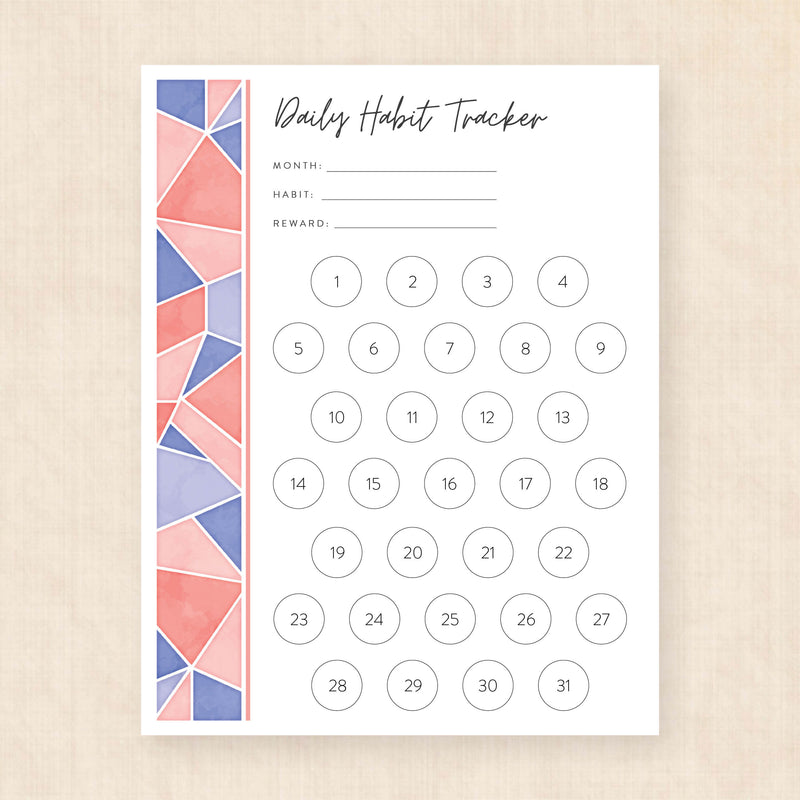
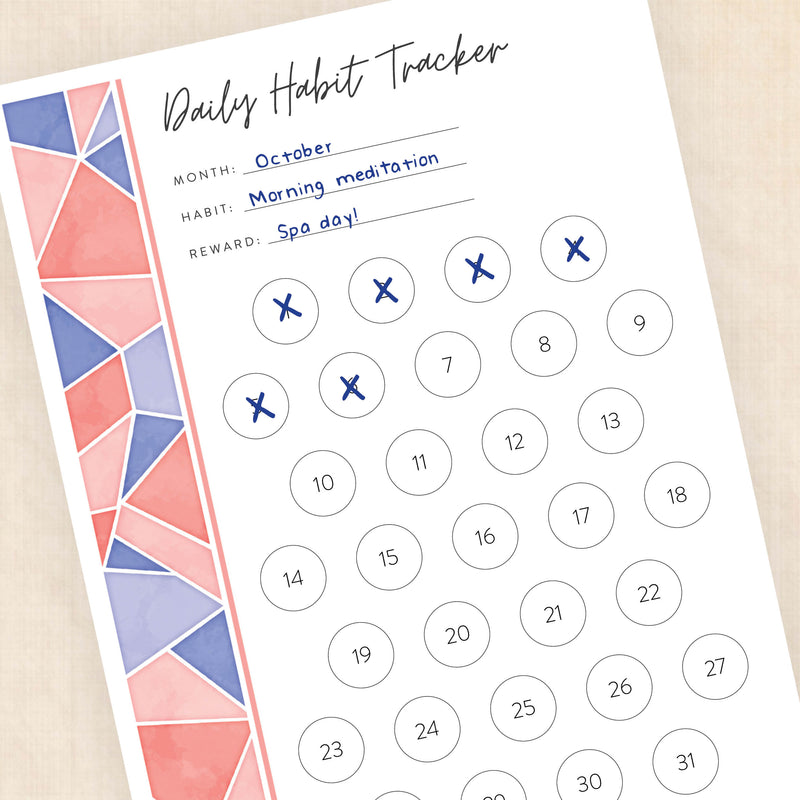
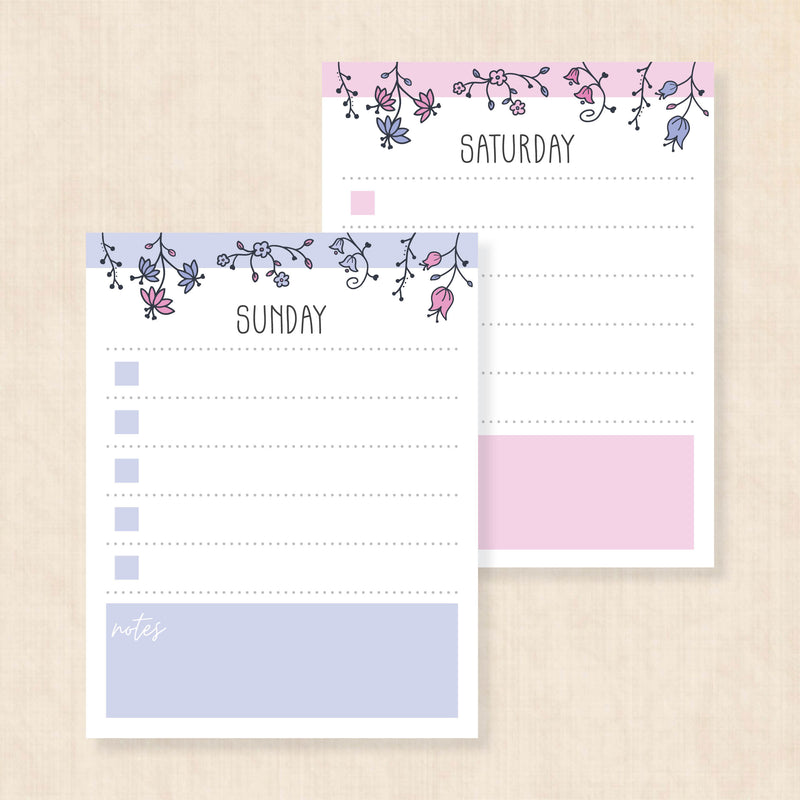
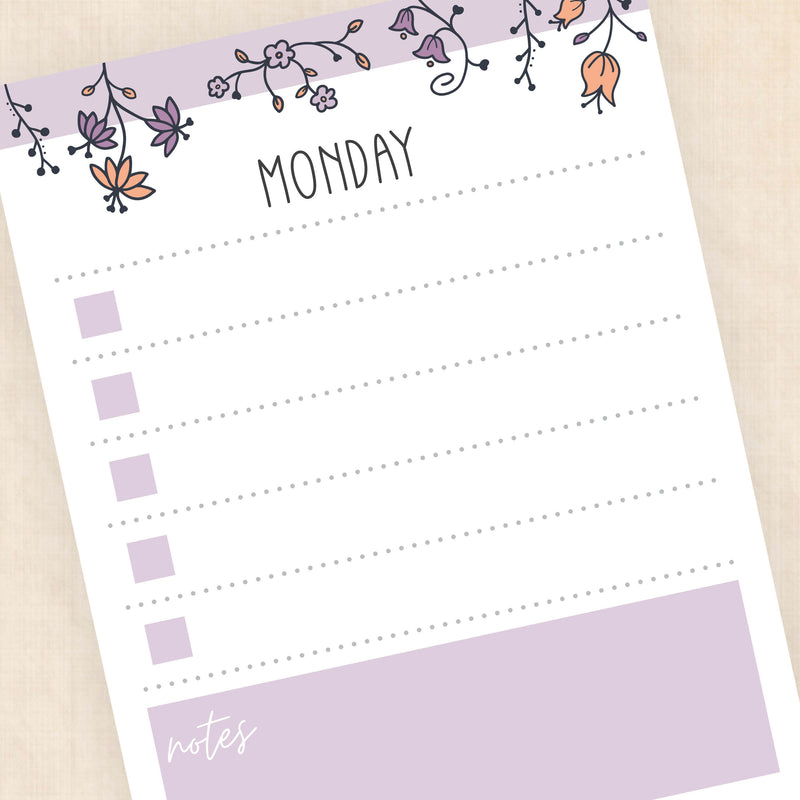
Taking a second to pinpoint the specific issue helps you figure out the best fix, but once you clear away the roadblock, make your momentum tangible. Tools like a printable habit tracker or daily planner allow you to visually check items off a list which gives your brain immediate gratification and helps creates a clear, reinforcing loop of momentum for the next time.

“Action is the foundational key to all success.”
— Pablo Picasso
Building momentum takes trial and error, so pick whichever strategy feels easiest to tackle today and start there. Small, consistent steps add up fast, and taking that very first action is all it takes to get things moving again.
Rooting for you as you tackle your to-do list! 💪🏼