Maybe the worst thing you can do is to say "yes" out of obligation.
I lived this way for years — agreeing to things that weren't good for me, showing up to social events with my battery on low, or apologizing for not coming at all because I just couldn't muster the energy.
I would automatically said yes to taking on project at work that weren't in my wheelhouse, because turning it down felt like it would cost me my next promotion — and three months later I'd be the only one still working weekends on it.
I would said yes to logistically complicated social plans and would dread it for weeks in advance, bending over backwards to make the timing, travel, and everyone else's schedules work, while never once asking if it worked for mine.
I was a total people pleaser. It was a bad habit, and I eventually arrived at a breaking point.
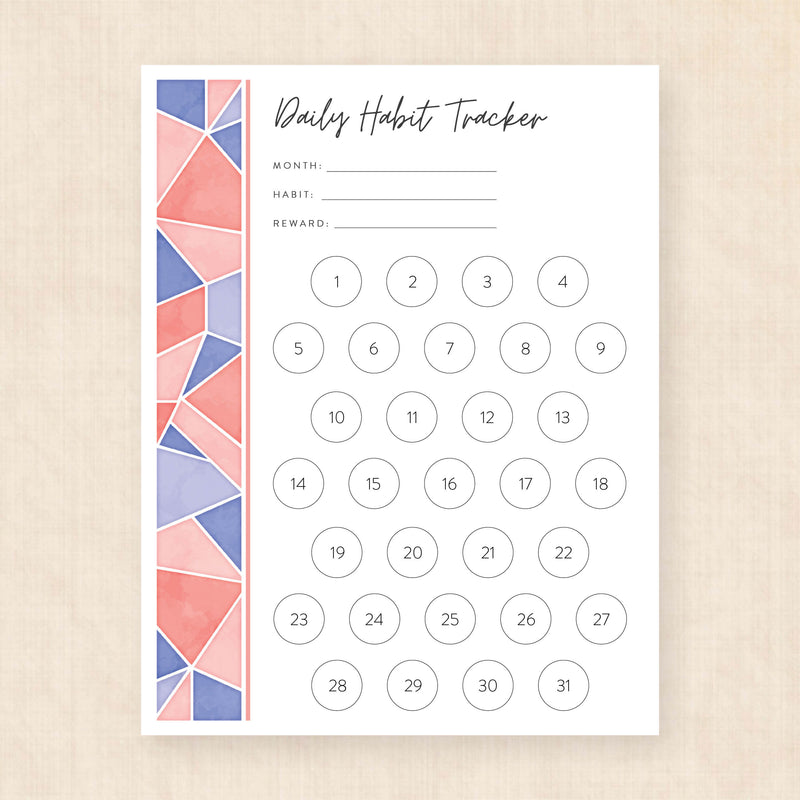
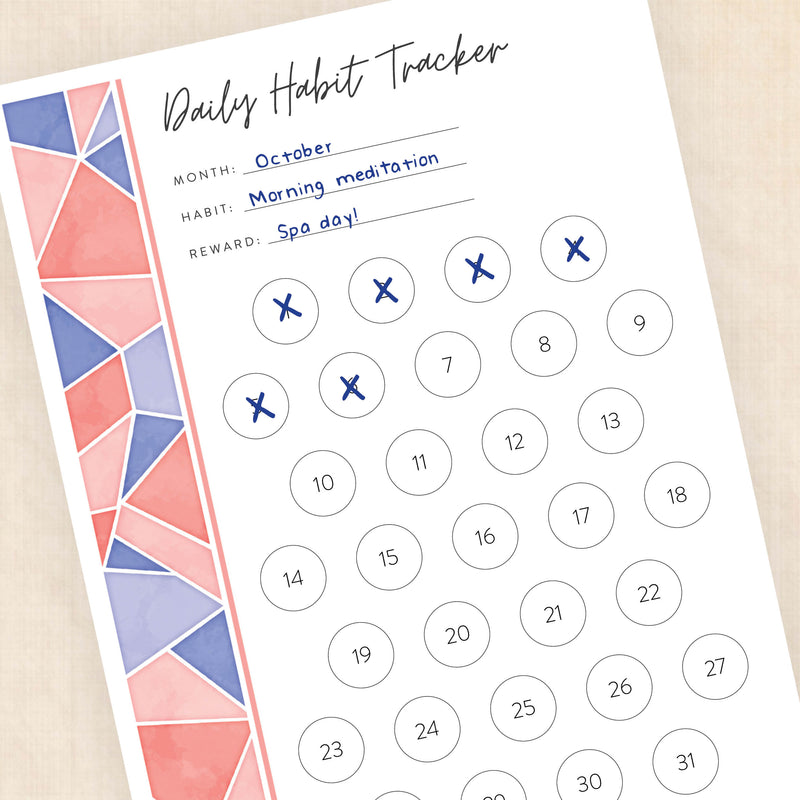
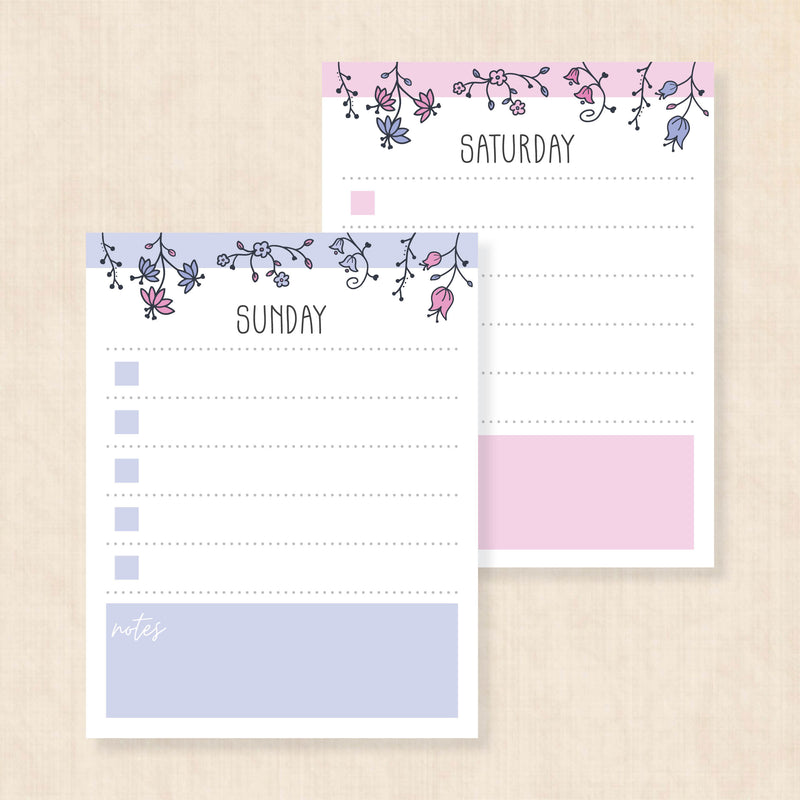
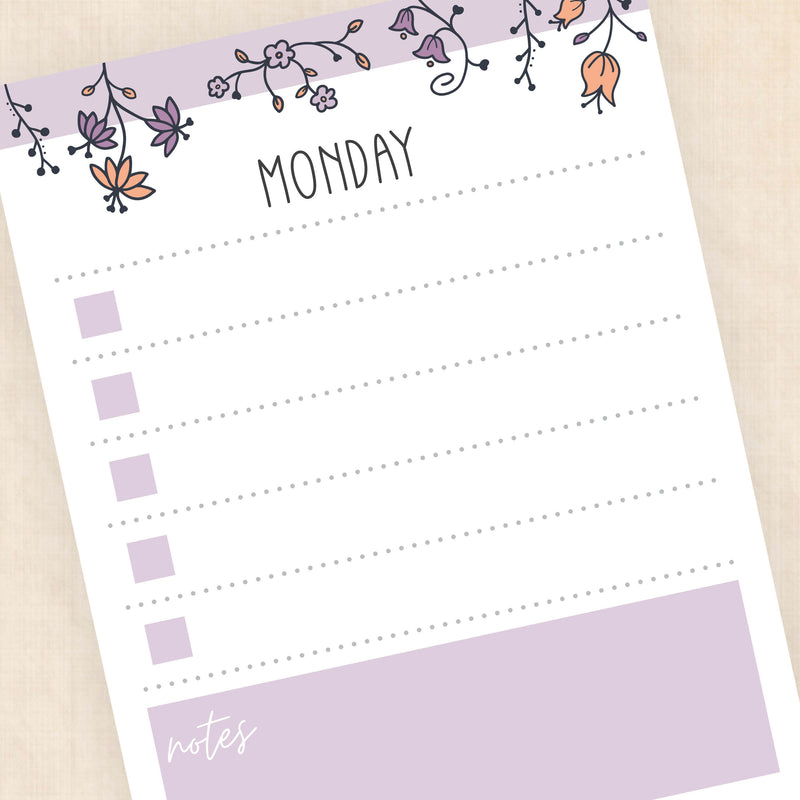
Pssst... Here are a few other planners I thought you might like!
Saying "yes" out of obligation serves no one, yet most of us default to it anyway, as society has conditioned us to treat our own time as up for grabs and totally negotiable.
Recently, the catchphrase "protect your energy" has become the excuse everyone uses, usually meaning: cancel the plans, mute the group chat, disappear for a while.
I tried that too. It didn't work, mostly because avoidance is more like a quick timeout than a long-term solution.
What actually changed things was when I started depending on six specific shifts in thinking — it's a quick mental checklist I run through before commiting to a yes or a no, and it ends up benefitting my friends and family just a much as it does myself.
1. Separate my reply from the guilt. I take a step back in order to decide if I'm agreeing to something in order to avoid feeling bad, not because I actually want to do the thing.
2. Does this short-term yes contradict my long-term goals? This one comes in handy when it's a tempting, fun social plan, but it might derail me from what I'm trying to work towards. Things like a night out with too many drinks that will make me miss my morning workout, or a spontaneous weekend trip that will dissolve the two days I had blocked off to make progress on a personal project.
3. Wait before answering. I've realized that nobody expects an answer right away, and a real "hell yes, I'm in!" can wait 24 or 48 hours, and is so much worth the wait.
4. Let "no" be enough. I used to think I needed to provide a paragraph of justification for a "no" to be acceptable. "Sorry, I can't make it" or "that night doesn't work for me" is a complete answer, and the people worth keeping in my inner circle have never once demanded for more than that.
5. Check if I'm irreplaceable, or just convenient.
A lot of my guilt-driven yeses came from assuming I was indispensable — whether that meant volunteering for something at work, helping out a friend, or doing a favor for a loved one. Being reliable matters, sure, but I'd convinced myself that if I didn't step in, it simply wouldn't get done. More often than not, that wasn't true — people had just assumed I'd say yes, so they never bothered asking someone else it might have made more sense for.
6. Block off time to recover, too. I stopped just asking myself whether I had time for something, and started asking if I also had time to recover from it afterwards. A commitment that requires time to recharge mentally or socially just have all days blocked on the calendar, not just the night of an event.

"Care about what other people think and you will always be their prisoner.”
— Lao Tzu
While it may feel a bit selfish, the necessity to protect your energy is a net benefit in the long run, particularly with loved ones.
Now when I show up to something, I'm there 100% and not mentally checked out or just going through the motions. My friends get fewer invitations accepted out of guilt, and more time with someone who genuinely wants to be in the room with them.
It becomes more natural the more you do it, especially as the expectations of being someone who always says "yes" lessen — I can't encourage you enough to give it a shot!